The three-card Lenormand spread: a connected sentence
Learn the center, adjacent pairs and outer mirror in a line of three, with a worked example about arranging a gathering.
A line of three
Positions run from left to right. These numbers mark places in the layout, not Lenormand card numbers.
Central theme: connect the two sides of the sentence.
A deliberately selected teaching example. The number beside each card name identifies the card; the layout numbers above identify positions.
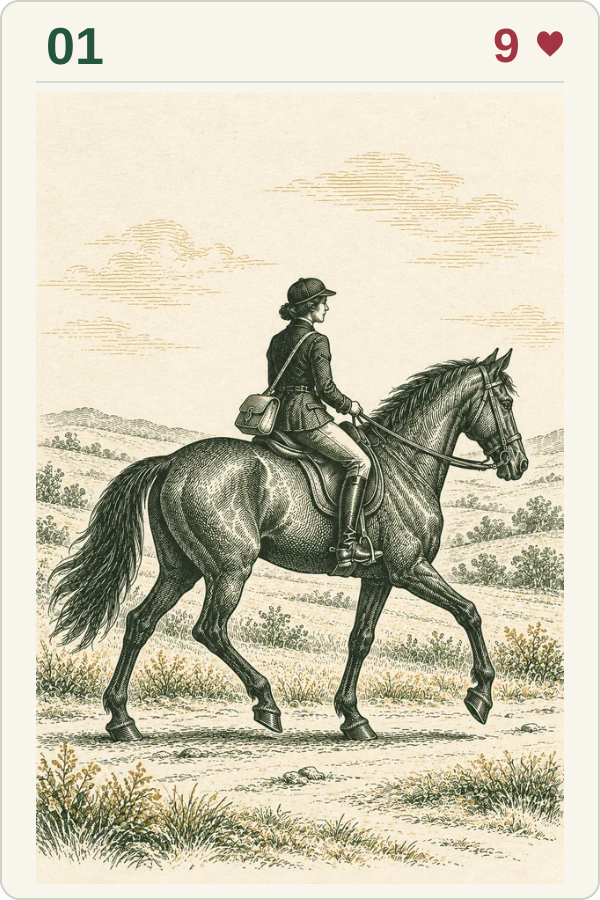
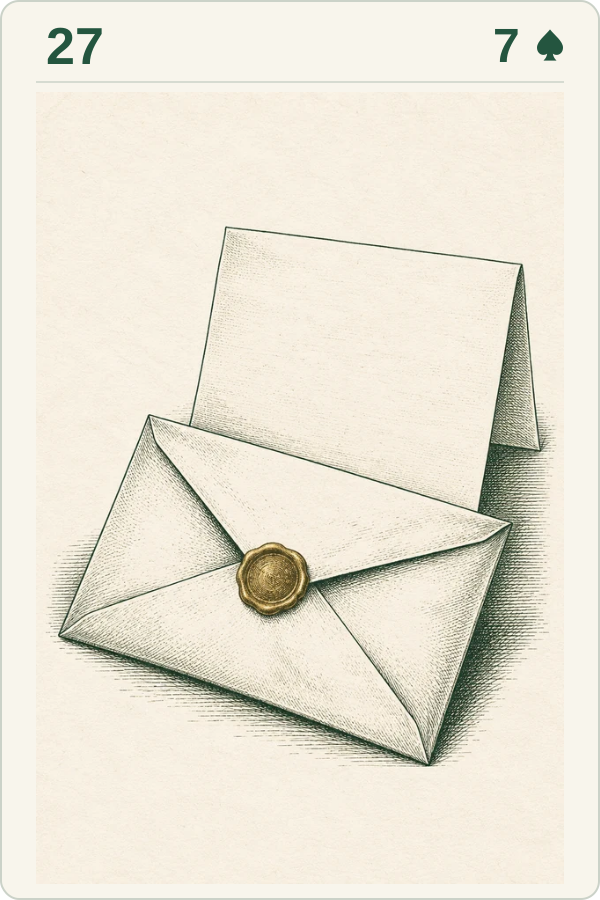
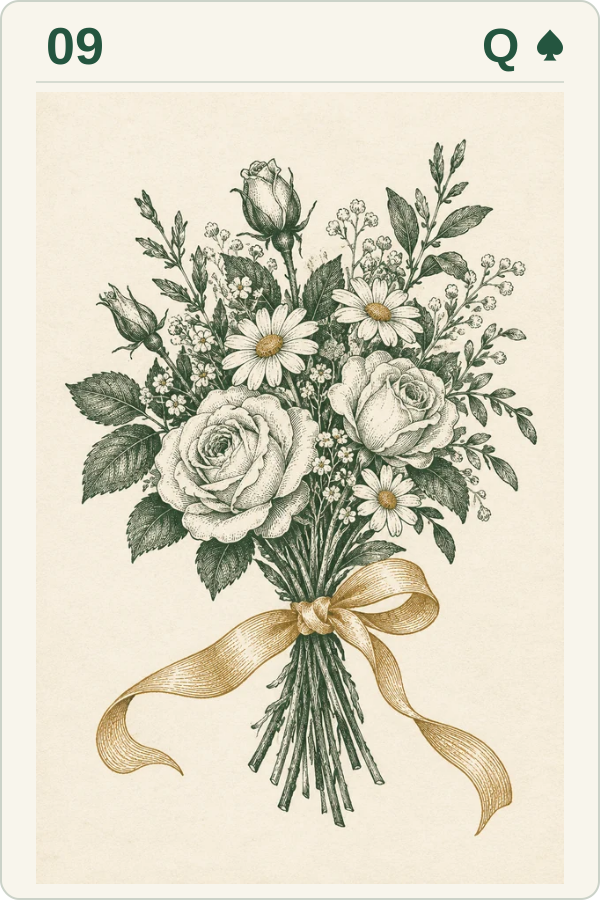
Set the question and the reading method
Three cards are enough to practice how symbols connect while keeping a single question manageable. Arrange them in one row, from left to right. For the method shown here, the middle card is a hinge: it links the opening situation to the final detail.
A separate past-present-future layout is also possible, but it assigns time roles to the positions. Decide on those roles before dealing. Do not silently switch from a sentence to a timeline because one interpretation feels more appealing.
Read the center, then the two adjacent pairs
Identify the middle symbol and choose a meaning relevant to the question. Next read positions 1+2 as one phrase and 2+3 as another. Keep the middle card's possible meanings in view, but do not force the same wording into every pair.
Join the two phrases into one short explanation. The third card can describe a consequence, a quality or another piece of context; it is not automatically a guaranteed outcome. If the connection requires several invented events, return to the plain meanings.
Add one mirror
Read the two outer positions, 1+3, as a supporting pair. This is called mirroring. Use it to check the theme you already have, not to replace the whole reading with a more dramatic story.
A useful stopping point is one central theme, two adjacent phrases and one mirror. Adding more methods does not necessarily add clarity. Keep any disagreement between these readings in your notes.
Worked example: arranging a gathering
Use Rider, Letter and Bouquet as a teaching example. The question is: what communication needs attention while arranging a small gathering? Letter in the center makes written messages the focus. Rider+Letter points to written news or mail; Letter+Bouquet describes communicating gratitude or communication within a social circle. In this gathering context, those ideas can help shape a welcoming invitation.
A reasonable synthesis is to focus on a welcoming written invitation and the information it carries. Rider+Bouquet supports the invitation theme. This is an illustration of how to combine symbols, not evidence that a particular invitation will arrive. A practical follow-up is to check whether the date, place and response request are clearly written.
Review your sentence
Name the part of the sentence contributed by each card. Remove details that cannot be linked to a symbol or the stated question. Write a second possible sentence before deciding which interpretation is more useful for reflection.
When this feels manageable, move to a line of five. It adds two positions and a second mirror while preserving the same basic pair-reading process.